Will AI take your job?
Why this "normal technology" isn't the end of work
Why this "normal technology" isn't the end of work
But if we take a moment and look at how the technology actually works, the reality is much less like a sci-fi film and much more like a typical shift in how we get things done.
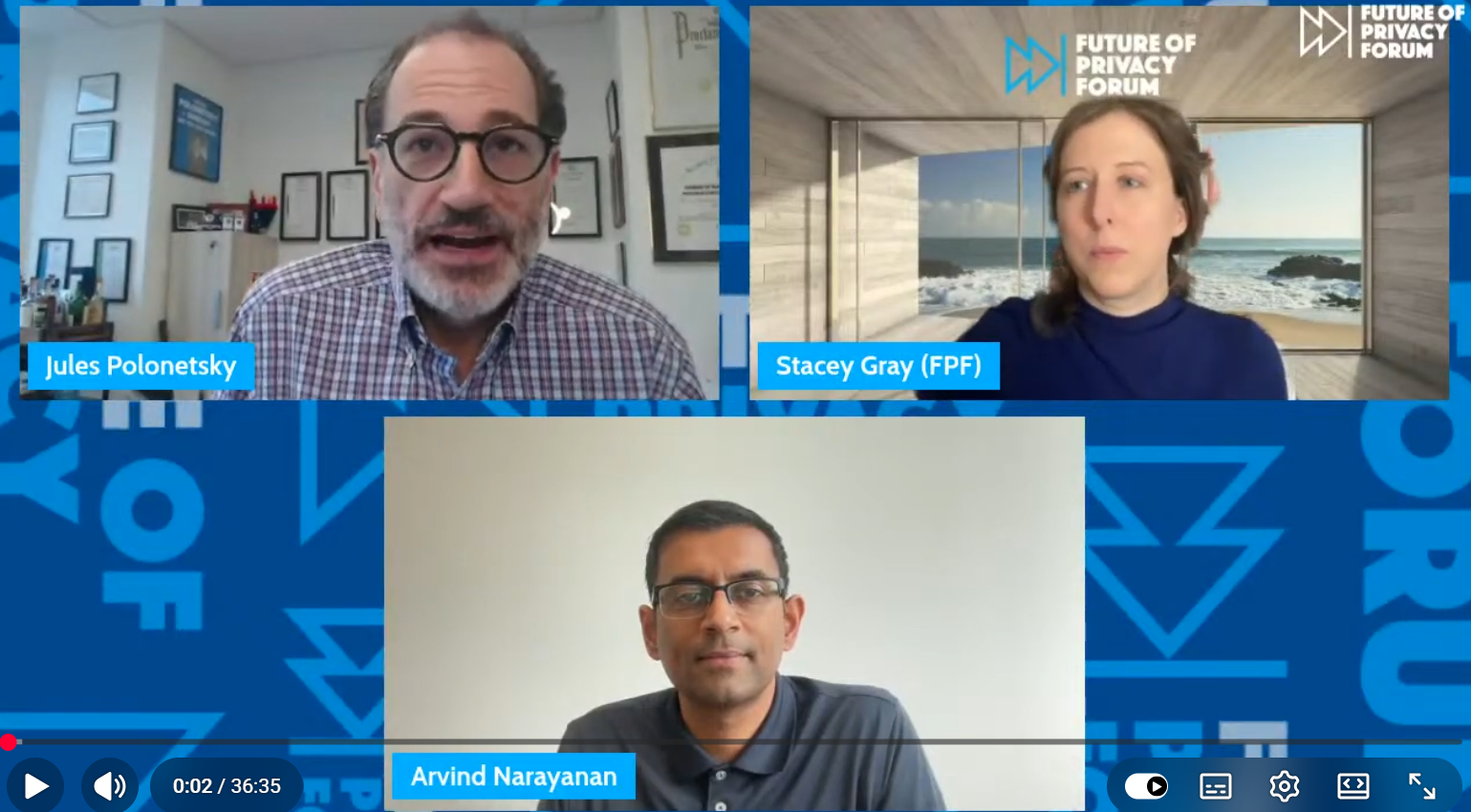
In their paper "AI is a Normal Technology", Arvind Narayanan and Sayash Kapoor argue that despite the hype, AI isn't some magical, unstoppable force. Instead, it is a tool much like the internet, the steam engine during the Industrial Revolution, or electricity before it. While it will certainly change how we work, it is unlikely to take over every job.
One of the most important things to remember is that most jobs aren't just one single action. They are made up of dozens of different tasks. AI is brilliant at some of these like sorting through huge piles of data, writing simple reports, or spotting patterns in spreadsheets but it’s pretty useless at others.
Think of a nurse. An AI might be able to help them read an X-ray more quickly or keep track of patient records. But can it hold a patient’s hand, offer comfort during a difficult moment, or use physical intuition to help someone walk? Not even close. In this sense, AI takes over the "boring" bits of the job, which actually frees up the human to do the parts that require empathy, common sense, and physical skill.
The idea of AI as a "normal technology" helps us see where we are in the timeline. When any new invention arrives, there’s usually a lot of excitement followed by a period of worry. People feared that the printing press would ruin our memories and that cars would destroy the horse-and-carriage industry. They weren't entirely wrong; some things did change. But we didn't stop working. We just found new, often better, ways to do it.
Google's point is that AI follows this same pattern. It isn't an "agent" that makes its own decisions; it’s a tool that we control. It requires humans to give it instructions, check its work, and make the final call on important decisions. Because it often makes mistakes or "hallucinates" (making up facts that sound true), we still need people with real-world experience to act as the "pilot" while the AI acts as the "autopilot."
If you work in a job that involves moving around in the real world or dealing with complex human emotions, you are likely in a very safe position. Robots are still remarkably clumsy compared to humans. A plumber, an electrician, or a gardener has to deal with unpredictable environments every day. No two leaky pipes or overgrown hedges are exactly the same, and AI struggles with that kind of "messy" reality.
On the other hand, "white-collar" office jobs that involve sitting at a computer and moving information around are seeing the biggest changes. But even here, AI is mostly becoming a helper. A lawyer might use it to find a specific case file in seconds, but they still need to stand up in court and argue a case with a human judge and jury.
History shows us that technology usually creates more jobs than it destroys. Before the internet, nobody could have made a living as a social media manager, a web developer, or a cybersecurity expert. Those jobs didn't exist because the technology wasn't there to support them.
We are already seeing this with AI. Companies are now hiring "Prompt Engineers" (people who know how to talk to AI) and "AI Ethicists" to make sure the systems are being fair. As the technology becomes more common, it will open doors to roles we haven't even thought of yet.
Is AI going to change your working life? Almost certainly. Will it take a few specific tasks off your plate? Probably. But is it going to make humans obsolete? Not a chance.
By treating AI as a "normal" piece of technology, we can stop being afraid of it and start figuring out how to use it. It is a tool to help us be more productive, not a replacement for the human spirit, creativity, and common sense that every business needs. So, instead of worrying about the robots taking over, it’s better to think of AI as a new, slightly high-maintenance colleague who is very good at filing but needs a lot of supervision.
Princeton Professor Arvind Narayanan, author of AI Snake Oil, is definitely not a skeptic about the extraordinary capabilities of AI, despite the title of his book.
He clearly discusses the vast benefits - but also points to all the ways some things are already going wrong in how the technology is being marketed and used. The book is an influential must read.

Understanding the US tech giant's UK footprint, sovereignty, and the Mandelson factor.

Solving business challenges | independent | straight talking

With trust in social media at all-time lows, what learnings if any are there?

The lowdown from the recent Gartner Symposium.

Key trends to watch out for in the new year.

Five approaches to balance investment, benefits, and constraints.

Get the latest trends from your free Predictions 2023 Guide.


Let us know what you think about the article.